دفتر مرکزی
تهران، خیابان سیدجمال الدین اسد آبادی، خیابان شهید فتحی شقاقی (8)، پلاک 31، کدپستی 1431793843
021 - 88105110 021 - 88105610 info@rahyabmelal.comدفتر نمایندگی کردستان
سنندج شهرک بهاران، خیابان بهارستان، کوچه پانزدهم، پلاک ۲۵۱، کدپستی 6617737147
087 - 33782909-11 021 - 89787919 info@rahyabmelal.comارسال


آزادراه چهارخطه تهران-شمال به طول 126 کیلومتر که کلان شهر تهران را به نواحی شمالی ایران متصل می کند، یکی از پیچیده ترین پروژههای راهسازی ایران میباشد. این پروژه در قالب 4 منطقه، دارای 195 رشته تونل و 93 دستگاه پل، به ترتیب به طول مجموع 144 و 14 کیلومتر در مجموع باند رفت و برگشت میباشد. شرایط خاص توپوگرافی، زمین شناسی و تکتونیکی رشته کوه البرز، احداث ابنیه فنی با ویژگیهای متنوع را گریز ناپذیر کرده است.
پروژه های ما را مرور کنید

طرح آزادراه حرم تا حرم، شامل احداث آزادراهي حد فاصل قم تا مشهد است، كه با احداث هاب اتصالي به تهران در واقع شهرهاي قم، تهران و مشهد را از مسير آزادراه به یکدیگر متصل ميكند، احداث آزادراه حرم تا حرم، شبکه آزادراهي مرکز- غرب، مرکز- جنوب غرب، به شمال شرق کشور متصل ميگردد.
پروژه های ما را مرور کنید

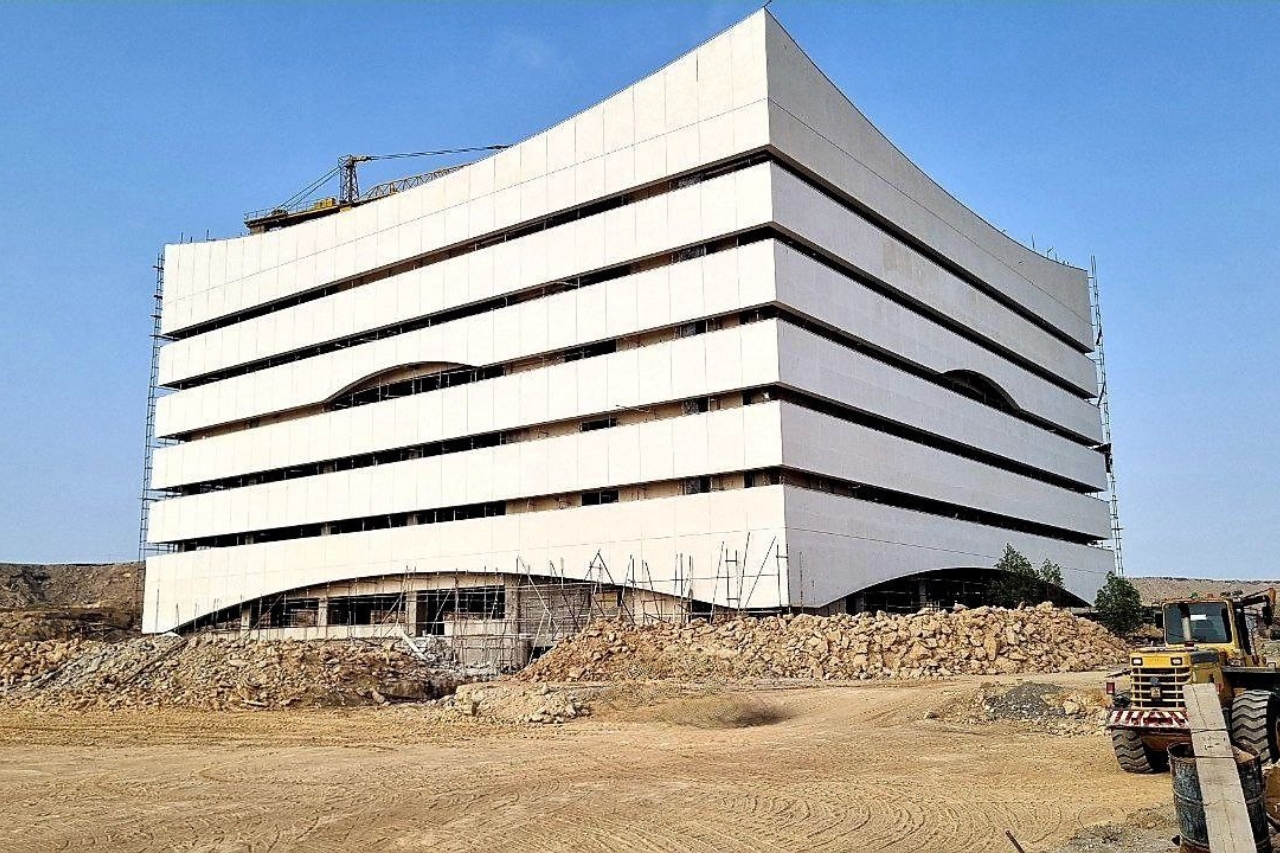
منطقه ویژه صنایع معدنی و فلزی خلیج فارس در جنوب ایران و نزدیک بزرگترین بندر ایران و اسکله شهید رجائی قرار گرفته است. وسعت تقریبی منطقه ویژه حدود 5000 هکتار در 4 سایت می باشد، که با هدف جذب سرمایه گذاری در واحد های معدنی و صنعتی ایجاد شده است.
پروژه های ما را مرور کنید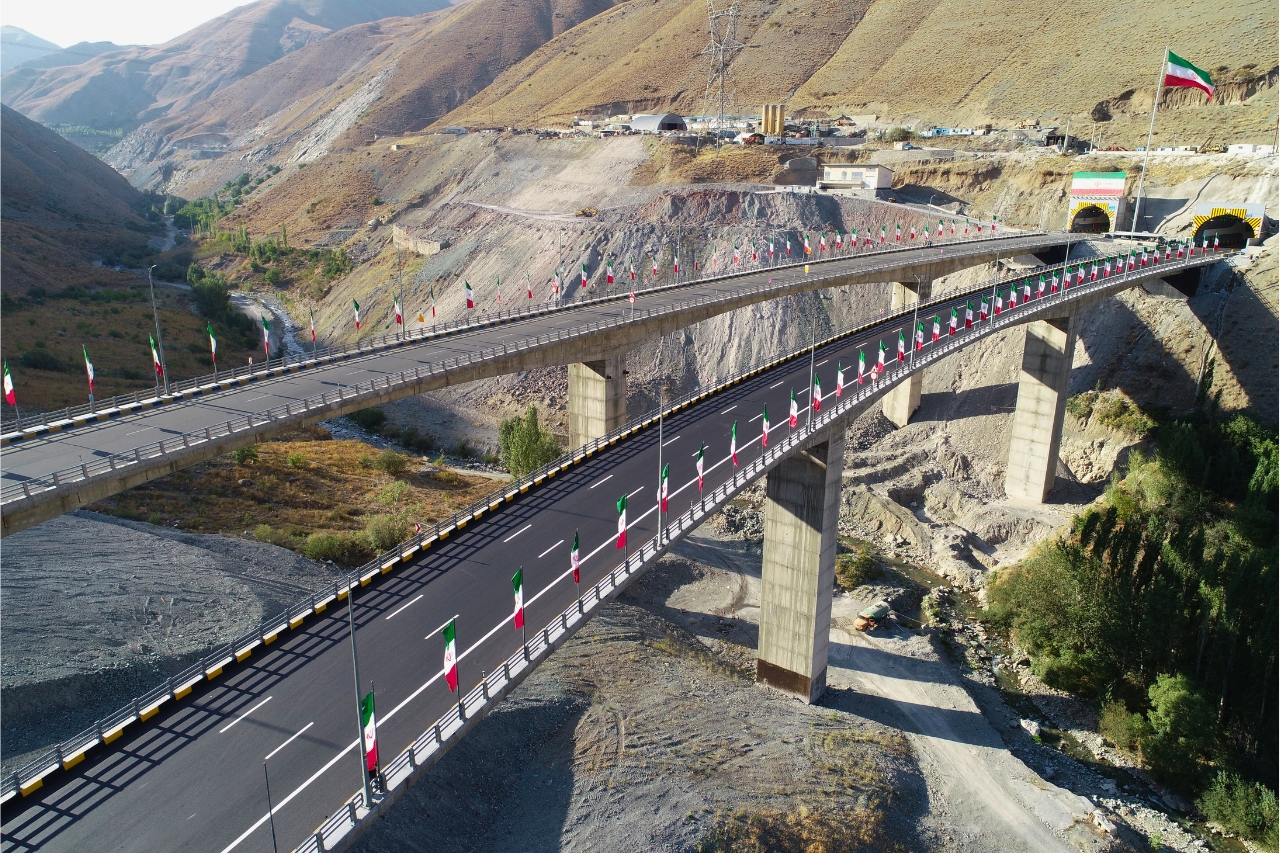


آزادراه چهارخطه تهران-شمال به طول 126 کیلومتر که کلان شهر تهران را به نواحی شمالی ایران متصل می کند، یکی از پیچیده ترین پروژههای راهسازی ایران میباشد. این پروژه در قالب 4 منطقه، دارای 195 رشته تونل و 93 دستگاه پل، به ترتیب به طول مجموع 144 و 14 کیلومتر در مجموع باند رفت و برگشت میباشد. شرایط خاص توپوگرافی، زمین شناسی و تکتونیکی رشته کوه البرز، احداث ابنیه فنی با ویژگیهای متنوع را گریز ناپذیر کرده است.

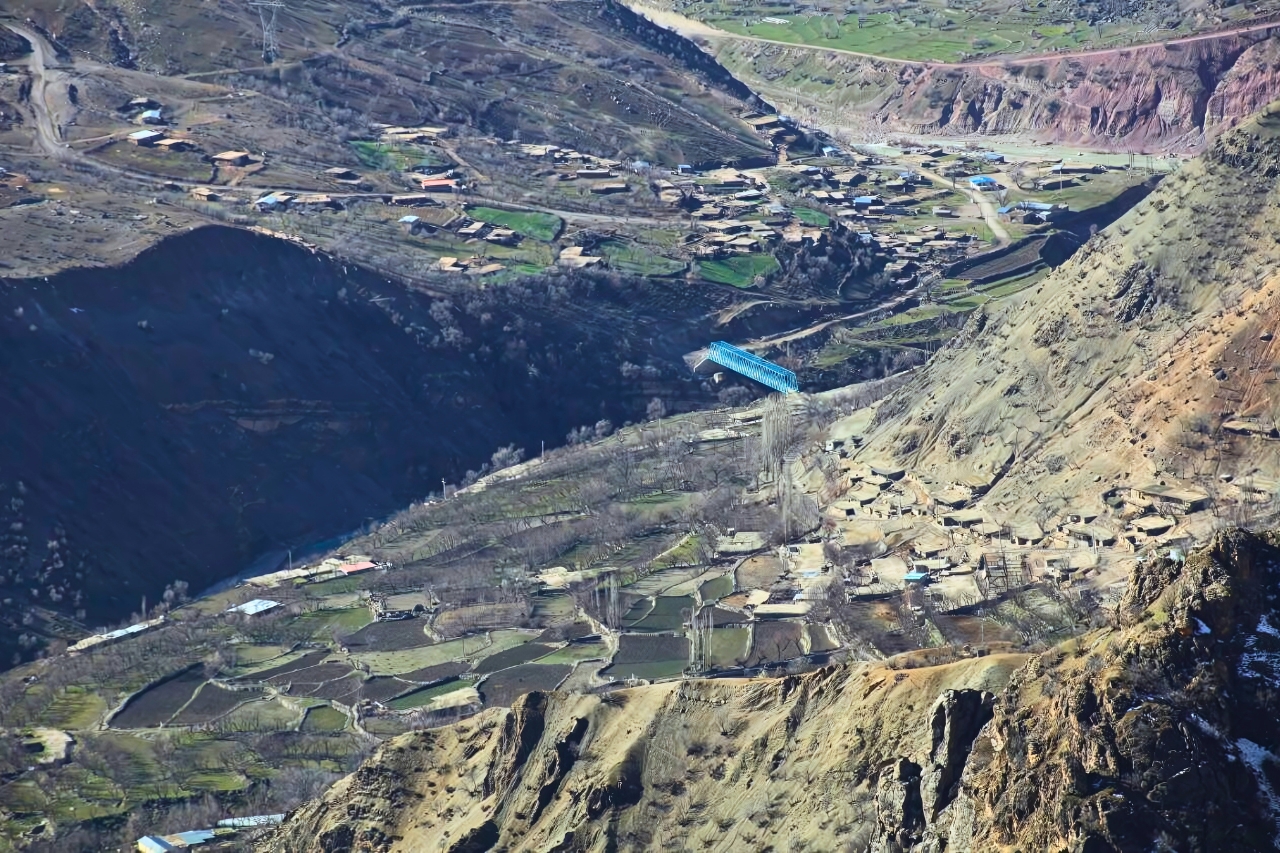
باتوجه به اینکه انجام پروژه در مناطق محروم از سخت ترین و کم در آمدترین نوع پروژه های عمرانی هست، اما همیشه بر این باور بودیم طرح و پروژه های مناطق دور دست و صعب العبور را بپذیریم و در کنار پروژه های بزرگ ملی، پروژه های آبادانی مناطق محروم را همچنان ادامه بدهیم.

مهندسین مشاور راه یاب ملل اولین شرکت مشاوره عمرانی ایران بر مبنای کلود، مجازی سازی و دورکاری می باشد که با بیش از 15سال سابقه در زمینه رایانش ابری و زیرساخت های مجازی متنوع، اکنون با اهداف بزرگتری در خدمت جامعه مهندسی کشور در حال فعالیت است.

ما در راهیاب ملل با بیش از دو دهه فعالیت سعی کرده ایم با طرح های نو، هر روز نکته ای متمایز و تکه ای از پازل رشد و تکامل را طی کنیم که مسیر پیشرفت و نتایج حاصل شده گواه این امر است.